
Safety First: Professional Landscape Lighting to Improve Outdoor Safety
- Custom Fit Lighting

- Feb 17
- 6 min read
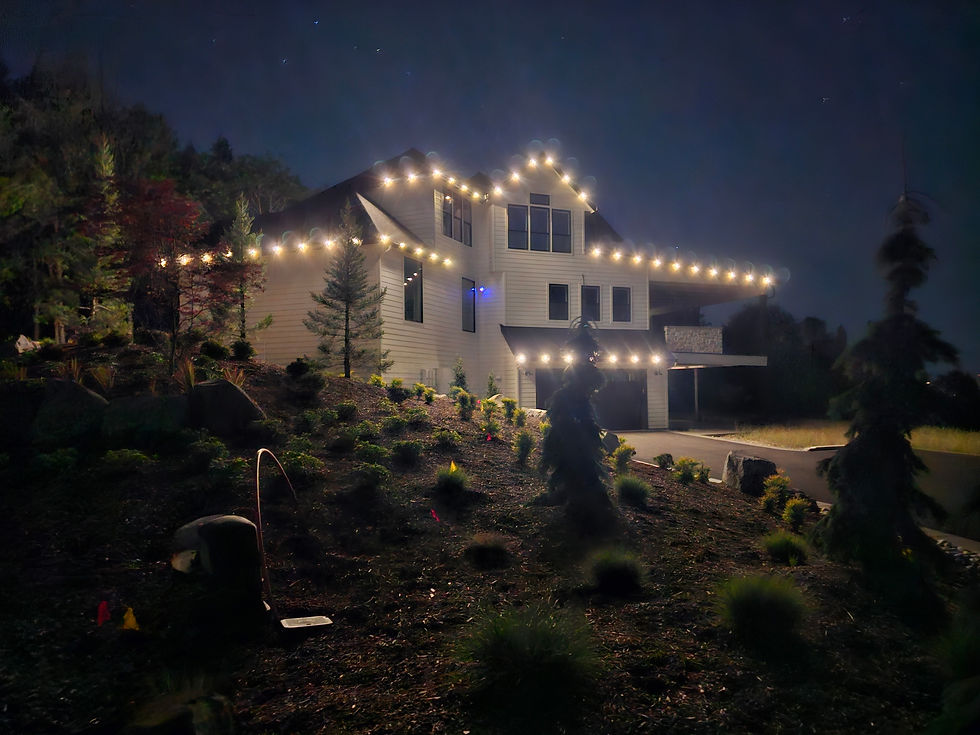
To boost evening safety and curb appeal with professional landscape lighting installation, hire an experienced electrician or a certified landscape lighting pro. The right installer uses proper techniques and tools to reduce hazards and build systems that last. Look for proven experience, valid licenses, and positive reviews. When installed correctly, permanent outdoor lighting improves security, highlights your landscaping, and creates a warm atmosphere for evening gatherings.
Why is safety essential when installing landscape lighting?
Safety matters in landscape lighting installation because a professional ensures the job is done right. A knowledgeable electrician brings the tools, training, and know‑how to avoid mistakes that cause accidents or shorten fixture life. Proper installation protects people, property, and your investment.
How does good lighting prevent trips and falls?
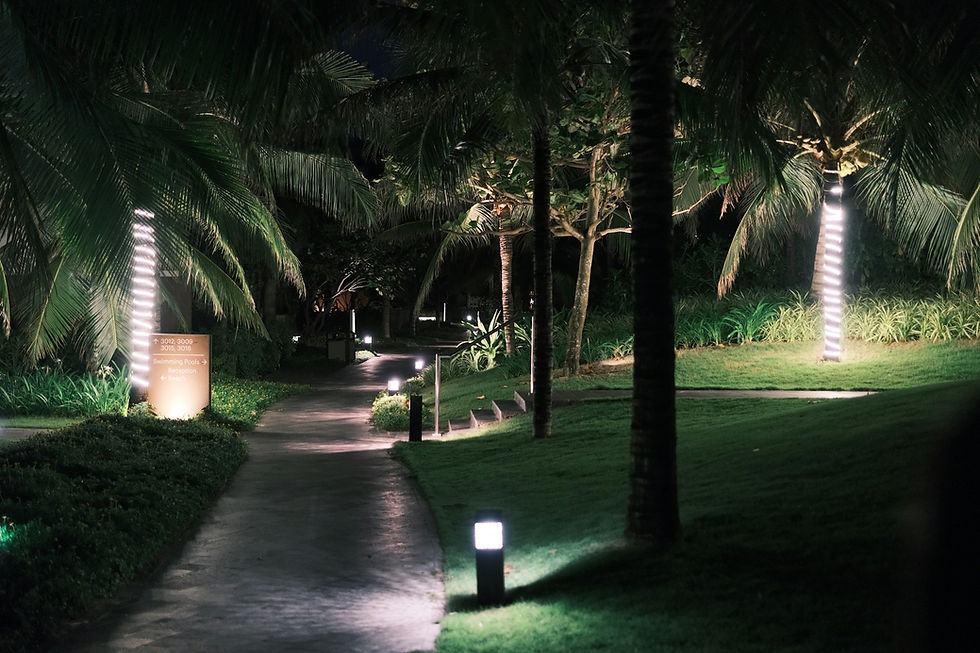
Well-designed lighting removes dark spots, highlights steps and edges, and clearly marks paths. Placing lights where people walk increases visibility at night and cuts the chance of trips and falls. Simple, targeted illumination makes yards and walkways much safer for family and guests.
What part does landscape lighting play in home security?
Landscape lighting improves security by removing hiding places and increasing visibility around entry points. Thoughtful fixture placement deters intruders and makes your property less attractive to opportunistic burglars. At the same time, good lighting lifts curb appeal and sets a welcoming mood for evening outdoor use.
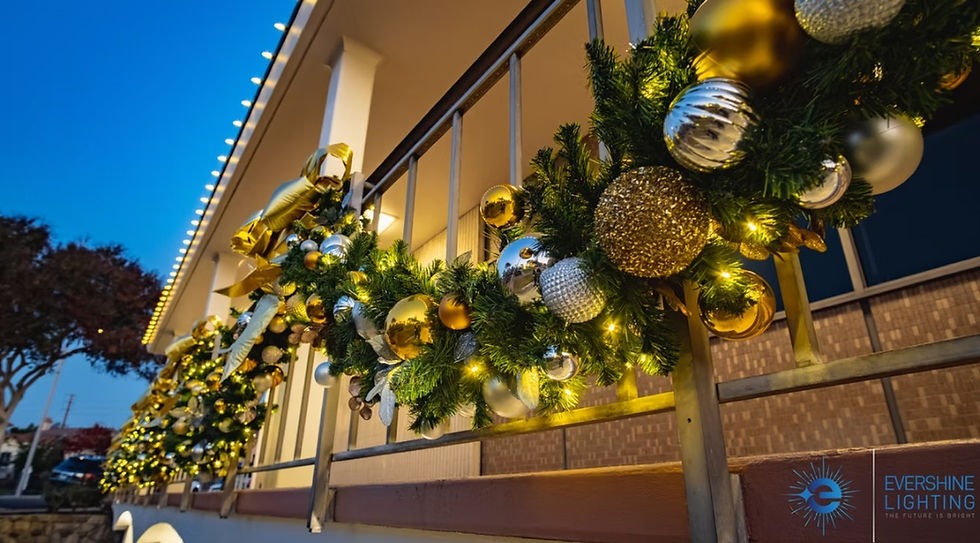
Beyond everyday safety and ambiance, seasonal or decorative options can change how your home looks. See how holiday lighting can add a festive, welcoming touch during special occasions.
What electrical safety practices are key for outdoor lighting?
Following basic electrical safety practices reduces the risk of shocks, shorts, and premature failures. These measures protect people and keep systems working reliably through seasons and weather.
Practice | What it does | Why it matters |
Low‑voltage wiring | Uses a transformer to step household power down to a safer level. | Lowers the chance of electrical shock and is ideal for landscape accents. |
GFCI protection | Ground fault interrupters cut power quickly when a fault is detected. | Crucial for outdoor circuits and areas exposed to moisture. |
Waterproof connections | Seals and protects splices and terminals from water intrusion. | Prevents shorts, corrosion, and failure in wet conditions. |
Those practices form the foundation of a safe, long‑lasting outdoor lighting system.
How does low‑voltage wiring improve safety?
Low‑voltage systems (commonly around 12 volts) reduce the energy at the fixture, making installations safer to handle and reducing electrical risk. They're efficient, discreet, and well suited for pathway, accent, and landscape lighting where controlled illumination is important.
Even so, lower voltages are not risk‑free — proper installation and protective devices are still essential.
Understanding low‑voltage electrical hazards
Even relatively low voltages can cause serious or fatal injury. Currents on the order of 30 mA or more can be dangerous if not interrupted quickly.
Applying new 480v GFCI standard in an industrial facility, 2014
Why are GFCI protection and waterproof connections important?
GFCI devices detect imbalances and shut off power to prevent shocks, while waterproof connections keep moisture out of critical points. Together, they protect people and components from common outdoor hazards like water, corrosion, and ground faults.
How do you design landscape lighting for safe visibility?
Use a practical plan that balances safety, function, and style. The following steps provide a clear path to a safer, better‑looking outdoor lighting design:
Professional installation: Hire a licensed electrician or lighting specialist experienced with outdoor systems to guarantee safe, code‑compliant work.
Strategic placement: Light paths, entrances, steps, and darker corners first to improve navigation and security.
Right fixtures: Pick durable fixtures that suit your home's style while delivering the needed light output.
Energy efficiency: Choose LEDs or low‑voltage options to cut energy use and maintenance.
Layered lighting: Combine ambient, task, and accent lights for even coverage without glare.
Following these guidelines helps you create a landscape lighting plan that keeps people safe and looks intentional.
Where should fixtures go to avoid glare and harsh shadows?
Place fixtures at heights and angles that aim light where it’s needed while keeping beams out of eyes. Lower fixtures often reduce glare; shields and diffusers soften light and limit harsh shadows for a more comfortable, usable outdoor space.
How does step and pathway lighting reduce accidents?
Step and pathway lights clearly mark changes in elevation and walking routes. Illuminating steps and walkways makes it easier to see hazards at night and reduces slips, trips, and falls for residents and visitors.
What local codes and permits affect outdoor lighting in Utah?
Local electrical codes and permit rules ensure installations meet safety and performance standards. Following these requirements reduces liability and helps keep installations reliable and legal.
Regulation | What it covers | Why compliance matters |
Local electrical codes | Standards for wiring, grounding, and safe installation practices. | Ensures installations are safe and meet inspections. |
Permit requirements | Some projects need permits based on scope and local rules. | Helps avoid fines and verifies work is inspected and approved. |
Checking codes and permits up front protects your project and ensures a safe outcome.
Which local codes directly affect landscape lighting?
Local codes set rules for wiring methods, fixture placement, grounding, and required protective devices. Working with a licensed electrician who knows your area's rules helps ensure your system is safe and compliant.
What permits might be required in Utah for outdoor lighting?
Depending on the project size and your city or county, permits may be required. Contact your local building department or your electrician to confirm permit needs so the installation meets local regulations and inspection requirements.
How does professional installation deliver safety and durability?
Professional installers bring training, proper tools, and code knowledge to every job. They plan layout, select appropriate materials, and install systems to resist weather and wear — leading to safer, longer‑lasting lighting that performs as expected.
What is the process for a safety‑focused lighting installation?
Find a professional installer: Choose a licensed electrician or lighting specialist with landscape experience and required certifications.
Check reviews and references: Confirm past work quality and customer satisfaction.
Plan the installation: Collaborate on fixture style, placement, and system layout.
Ensure safety and efficiency: The installer uses proper wiring, protective devices, and materials to minimize hazards.
Enjoy long‑lasting results: With correct installation and quality components, your lighting will perform reliably for years.
Follow these steps and work with a professional to secure a safe, attractive outdoor lighting system.
How do quality fixtures and LED technology boost safety?
Durable fixtures and LED technology improve safety by offering consistent, directional light with low energy use and long life. LEDs reduce maintenance and, when combined with low‑voltage systems and correct installation, lower the chance of electrical problems.
What maintenance keeps landscape lighting safe over time?
Routine maintenance keeps systems working safely and looking their best. A few simple checks each year prevent small issues from becoming major problems.
Regular inspections: Inspect fixtures, wiring, and connections at least once a year for damage or wear.
Bulb replacement: Replace burned‑out bulbs promptly to maintain safe illumination.
Wire protection: Keep wiring sealed and clear of damage to prevent shorts and corrosion.
These habits extend the life of your system and preserve safe performance.
How often should outdoor lighting be inspected?
Inspect outdoor lighting at least once a year, and after severe weather. Regular checks catch frayed wires, loose connections, or damaged fixtures before they become hazards.
What are best practices for bulb replacement and wire protection?
Use the correct bulb type and wattage for each fixture and protect wiring with proper seals and conduit where needed. Check connections for corrosion and secure exposed wiring to prevent physical damage.
Frequently Asked Questions
What are the benefits of using LED lights in landscape lighting?
LEDs offer energy savings, long life, and directional light that reduces glare and improves visibility. They need fewer replacements, lower electricity use, and — when paired with low‑voltage systems — can reduce electrical risk.
How can I make my landscape lighting more environmentally friendly?
Choose energy‑efficient LEDs, consider solar options where practical, and pick fixtures made from durable, sustainable materials. Design lighting to target only the areas you need to light to minimize light pollution and protect local wildlife.
What should I do if my landscape lighting stops working?
First check the power source and circuit breaker, then inspect bulbs and visible wiring. If the problem persists or you see damaged wiring, call a licensed electrician to diagnose and repair the issue safely.
Are there specific lighting designs that enhance safety?
Yes—pathway lights, step lights, and motion‑activated fixtures are highly effective for safety. Layering ambient, task, and accent lights provides balanced coverage without creating glare or deep shadows.
How can I maintain my landscape lighting system effectively?
Schedule annual inspections, replace bulbs when needed, and protect wiring from moisture and damage. Keep fixtures clean and clear of debris to maintain performance and extend service life.
What common mistakes should I avoid during installation?
Avoid poor fixture placement, using the wrong bulbs for outdoor fixtures, and skipping local code requirements. Improper placement can cause glare or shadows; incorrect bulbs or noncompliant wiring can create safety risks. Always consult a professional when in doubt.
Conclusion
Investing in professional landscape lighting significantly improves outdoor safety while boosting curb appeal. Correct placement, quality fixtures, and adherence to safety standards keep your property secure and attractive. Regular maintenance completes the picture — helping your lights last and perform. Contact our experts to see how a safe, beautiful lighting plan can transform your outdoor space today.
Comments