
Is Permanent Holiday Lighting Right for Your Utah HOA?
- Custom Fit Lighting

- Feb 22
- 5 min read

Permanent holiday lighting in Utah neighborhoods is getting a lot more attention from HOA boards and community managers. It promises a clean, consistent look, bright holiday spirit, and less hassle for residents. The big question is not just whether it looks nice, but whether it works with your rules, budget, and long-term plans for the community.
In this guide, we will walk through how permanent lighting works, what HOAs need to think about with CC&Rs, costs, safety, and resident expectations. Our goal is to help you decide if this type of lighting is a good fit for your Utah HOA and what you should plan for before making a decision.
Enjoy Holiday Curb Appeal Without the Hassle
Every year, many Utah HOA communities deal with the same holiday scramble. Homeowners rush to hang lights before the snow, ladders come out of storage, and everyone hopes they can get it done before it gets too cold or icy. Some homes go big with color, others never put up lights at all.
That can leave you with:
Uneven curb appeal from house to house
Safety concerns about people climbing on roofs or using unstable ladders
Debates over when lights must come down and what kind of decor is allowed
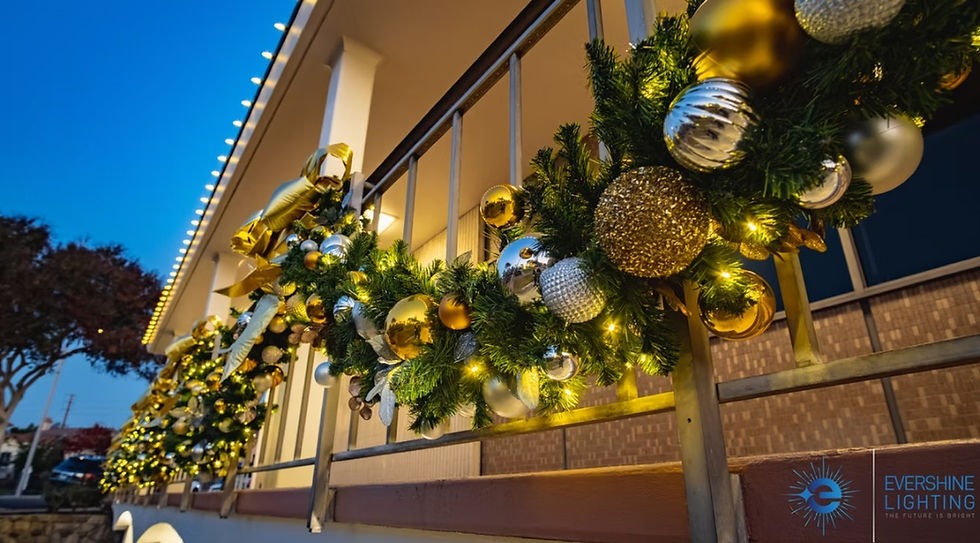
Permanent holiday lighting gives HOAs a different option. Low-profile lights stay installed all year, but they are hardly noticeable in daylight. At night, they can shift from classic white to colorful holiday patterns with just a few taps on an app.
For board members, managers, and architectural committees, permanent holiday lighting in Utah can be a smart tool. It helps keep a cohesive, attractive look across the neighborhood while cutting down on headaches about timing, safety, and style.
How Permanent Holiday Lighting Works for HOAs
Permanent holiday trim lighting is a system of LED lights installed in a track or channel along the home or building. It typically follows rooflines, soffits, peaks, and other strong architectural lines. During the day, it looks like a slim strip that blends with the trim. At night, you only see small points of light.
Most systems are:
App-controlled, so colors and patterns can be set from a phone or tablet
Programmable on a schedule, so lights turn on and off automatically
Flexible enough for holidays, game days, and special community events
For HOAs, this can be set up in a few ways:
Community owned lights on entries, monuments, clubhouses, and other shared spaces
Approved guidelines for individual homes, with rules about color, brightness, and where tracks can be installed
A mix of both, where common areas are fully managed by the HOA and owners can add their own systems that meet set standards
This balance lets each neighborhood choose what level of control and customization works best for them while keeping the overall look clean and organized.
HOA Rules, CC&Rs, and Community Aesthetics
Many Utah HOAs have detailed CC&Rs about what can be visible on the exterior of a home. That often includes rules about holiday lights, how long they can stay up, and what is allowed on roofs and balconies. Permanent lighting fits into those rules, but it needs clear guidelines.
Common questions we hear from boards include:
Will the tracks look tacky during the day?
Can residents leave multicolor holiday patterns on all year?
Will this make the neighborhood feel too bright or flashy at night?
To keep things simple and attractive, HOAs often set a policy framework such as:
Approved color palettes outside of holiday periods, like warm white or soft neutral tones
Quiet hours, where lights must be dimmed or turned off, usually later in the evening
Standards for where fixtures can be placed so they follow existing trim lines and do not clutter the look of the home
With clear rules, permanent lighting can fit right into your existing design standards and actually help tighten up the overall aesthetic of the community.
Budgeting, Long-Term Value, and Utah Weather Challenges
When HOAs think about permanent holiday lighting in Utah, cost is always part of the discussion. Even without specific numbers, there are a few big budget points to consider.
Compare the long-term spending on:
Seasonal light installation and removal for common areas
Storage and replacement of tangled, damaged strings
Staff time or vendor time managing the process each year
Permanent systems are a one-time installation for the hardware, with ongoing care when needed, instead of starting from scratch every winter. LED lights use less power than many older style holiday strings. They also tend to last much longer when installed and cared for correctly, which helps control long-term maintenance.
Smart zoning can also matter. Entry monuments, pathways, and clubhouses can be programmed to use just enough light to feel warm and welcoming, without wasting energy or overwhelming the area.
There is also the soft value to think about. Well-lit, consistent neighborhoods often feel safer, more welcoming, and more polished. Many buyers like low-maintenance features and year-round curb appeal, and professional permanent lighting can support that kind of first impression during evening showings.
Utah weather is another big factor. We get strong sun, snow, ice, wind, and big temperature swings. That is why:
Quality tracks and fasteners are important, so systems stay secure through storms
Sealed connections and water-resistant components matter in snow and melt cycles
Professional installation helps make sure lines are straight, protected, and built to handle local conditions
A well-installed system is meant to stay in place across years of seasons, so you are not redoing work every time the weather shifts.
Fairness, Governance, and Resident Expectations
Any time lighting is involved, people have opinions. Some love bright color patterns, others prefer calm white light or no light at all. HOAs need a fair way to manage that, especially when lights are visible from multiple homes or from shared spaces.
Helpful questions for boards include:
Who controls the settings for monuments, entrances, and other shared areas?
How do you handle requests for specific colors on certain dates?
What limits will you set on brightness and timing?
Clear guidelines can reduce conflict. Many communities choose rules like:
Lights on from dusk to a set evening time, then off automatically
Approved holidays or events that allow color changes
A standard neutral look the rest of the time, such as warm white or soft gold
For individual homes, fairness and consistency matter too. Some HOAs:
Standardize the fixtures and vendor so homes match and the quality is consistent
Offer group pricing to make the option more accessible to residents
Create an opt-in program with clear standards for those who want permanent lights
This kind of structure helps respect different budgets and tastes while keeping the neighborhood looking unified and thoughtful.
Next Steps for Your Utah HOA
If your board is curious about permanent holiday lighting in Utah, a simple checklist can help you decide what to do next:
Review your CC&Rs and any current lighting or decor rules
Survey residents to gauge interest and collect concerns or questions
Identify key areas like entrances, monuments, clubhouses, and model homes
Set a general budget range and timeline
Talk through brightness, timing, and color policies at a board meeting
From there, a professional assessment can be very helpful. A team that works with HOAs, like ours at Custom Fit Lighting, can walk the property, talk through your rules, and design options that fit your community style, safety needs, and long-term goals. With a bit of planning before the next holiday season, your neighborhood can enjoy clean, consistent, and stress-free lighting when the evenings get dark again.
Get Started With Your Project Today
Transform your home with year-round curb appeal and the convenience of lights you never have to re-hang. At Custom Fit Lighting, we design and install custom systems that match your architecture, color preferences, and budget. Explore our permanent holiday lighting in Utah to see how we can make your next season brighter and simpler. Reach out today so we can discuss your goals and provide a tailored proposal for your property.
Comments