
Lighting Strategies Utah HOAs Can Approve Without Headaches

HOA Friendly Lighting That Still Looks Incredible
Trying to decorate your home when your HOA has strict rules can feel stressful. You want your place to look warm and welcoming, but you also do not want warning letters, fines, or awkward talks with the board. Good news. You can have beautiful lighting and still stay well within the rules.
Permanent outdoor lighting in Utah is one of the easiest ways to keep everyone happy. With the right design, your lights can look clean and neutral most of the year, then switch to tasteful colors for holidays and events. As a Utah lighting company, we work with HOAs often, so we see what gets approved quickly and what causes problems.
In this guide, we will walk through how to read your HOA rules, which lighting styles usually get approved, and smart settings that avoid complaints. You will also see how professional, permanent systems can give you year-round curb appeal without the seasonal scramble.
Decode Your HOA Rules Before You Hang a Single Light
Before anyone drills a hole or hangs a single strand, you need to know what your HOA actually allows. Many Utah communities have similar lighting rules, but the details can be different in each neighborhood.
Common HOA restrictions often include things like:
Limits on color (white or warm white only outside of set holiday dates)
Caps on brightness so the house is not lit up like a stadium
No flashing, chasing, or strobe effects
No messy cords running down walls or across walkways
Rules on how long seasonal displays can stay up
To get clear on your rules, it helps to read three key documents:
CC&Rs (Covenants, Conditions & Restrictions)
Design or architectural guidelines
Any separate policy about seasonal or holiday decor
Look for sections that mention exterior lighting, seasonal decor, or architectural changes. If something is vague, do not guess. Send a short, written question to your HOA manager or architectural committee so you have their answer in writing.
A few smart steps before you plan your design:
Walk the neighborhood and notice which homes have permanent lighting already
Pay attention to colors, brightness, and placement that seem common
Ask your HOA if those systems were formally approved
Then, make a simple lighting game plan. Write down what you want your lights to do, such as:
Everyday accent lighting for your roofline
Soft pathway lighting for safety
Holiday color scenes for certain dates
Match each item to what is clearly allowed or seems easy to approve. This gives you a solid base before you start talking products or layouts.
Permanent Lighting Systems That Keep HOAs Happy
Most HOAs care about two main things: a clean look and minimal impact on neighbors. Permanent outdoor lighting in Utah can check both boxes when it is planned with those goals in mind.
The right system is:
Low-profile, with tracks tucked under the gutter or fascia
Color-changing, but able to stay in a neutral setting most of the time
Designed to blend into your home’s trim during the day
Helpful features for HOA approval include:
Warm white default settings that look like classic exterior lights
Dimmable brightness so you can tone things down if needed
App-based controls that make it easy to avoid strobe or wild patterns
Preset scenes that are smooth and static instead of flashing
Professional installation makes a big difference too. Clean wiring, code-compliant fixtures, and a thoughtful layout tend to look like part of the home design, not an add-on. HOAs usually respond better to that than to random DIY strands, hooks, and cords.
LED systems are another plus. They use much less energy than old bulbs and work well with dark-sky-friendly settings, which means less glare and less light shooting up into the sky. That is becoming more important in Utah communities that value starry nights and calm streets.
Smart Lighting Settings That Avoid Complaints
Even the best system can cause trouble if the settings are too bright or too busy. A few simple choices can keep your neighbors and your HOA on your side.
For everyday use, aim for:
Medium or low brightness, just enough to outline your home
Warm white or soft white colors, not harsh blue tones
Narrower beam angles and shielded fixtures that keep light pointed down, not into windows
For holiday and event presets, think subtle, not wild. Some HOA-friendly ideas:
Soft color accents along the roofline, with white on main areas
Gentle, even lighting along pathways and steps
Static color scenes instead of twinkling or chasing patterns
Timers and schedules are a must. Many HOAs have quiet hours at night, even if they are not written in the lighting rules. Use your app to:
Turn lights on around sunset
Dim them after a certain time
Turn them fully off by late evening or by the time your HOA prefers
One of the best tricks is to create an “HOA mode” in your lighting app. This is your everyday profile, with modest brightness, warm white, and no movement. Then you can save more playful presets for short holiday periods that you know fall within the rules.
Landscape and Security Lighting That Looks Intentional
Permanent outdoor lighting in Utah is not just rooflines. When your landscape and security lighting feel like part of the architecture, HOAs usually view them as upgrades, not clutter.
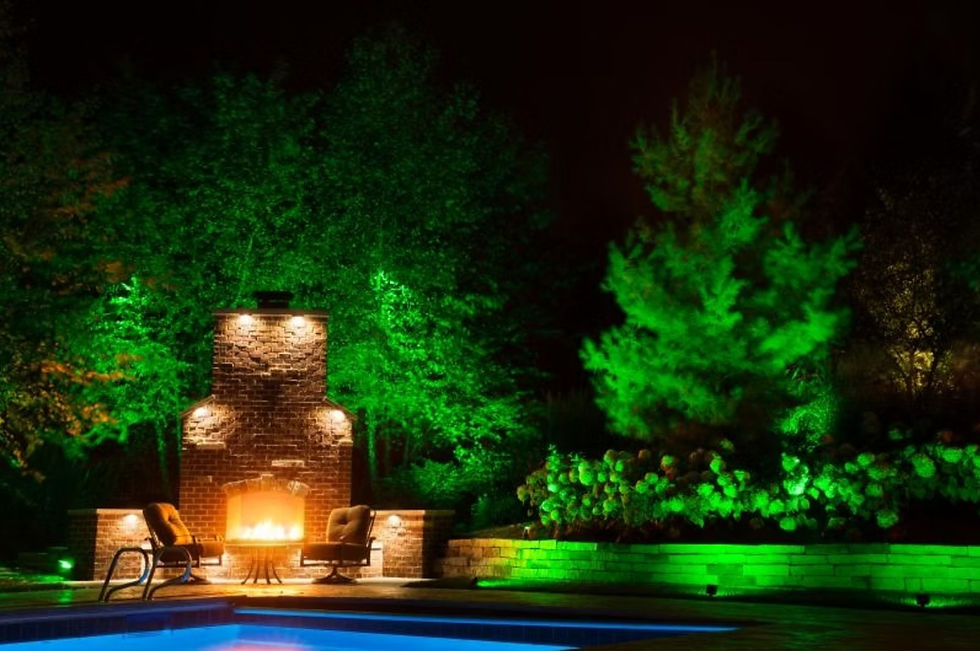
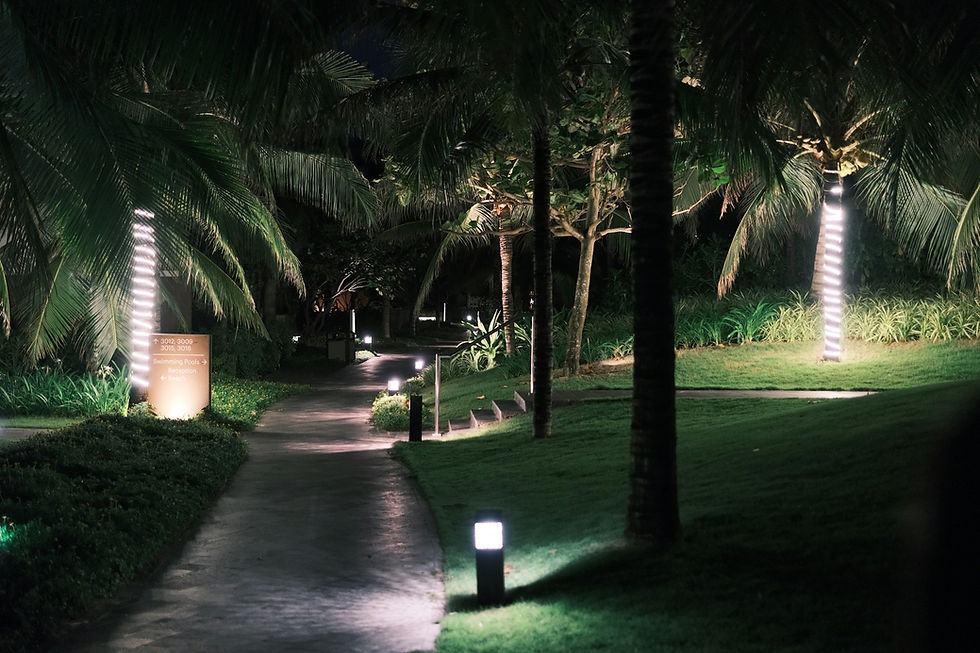
Thoughtful landscape lighting can:
Highlight stonework, columns, or other architectural details
Gently light trees or shrubs to add depth to your yard
Mark pathways, steps, and driveways for safe walking at night
For security lighting, try to keep the look calm and residential. Good options include:
Motion-activated fixtures with adjustable range and delay
Shielded lights that point beams downward instead of straight out
Warm white tones that feel like a porch light, not a parking lot
When your roofline lights, pathways, porch, and accent lighting all work as one system, your home looks planned and polished. This kind of design usually supports HOA goals too, like:
Better night visibility and safety
Higher overall curb appeal in the neighborhood
A more consistent look from house to house
HOAs tend to respond well when a lighting plan clearly adds order and safety instead of clutter and glare.
How to Win Fast HOA Approval for New Lighting
Once you know what you want and what your HOA expects, it is time to pull it all together in a simple, clear request. A little prep can speed up approval.
Here is a step-by-step approach:
Gather your HOA documents and highlight the parts about lighting
Take clear photos of the front and sides of your home during the day
Sketch or digitally mark where lights will go along the roof, paths, and key features
When you are ready to submit, include:
A short description of the system, including that it is permanent and low-profile
Product spec sheets that show color range, dimming, and app control
Example photos of completed projects with discreet, tasteful installs
In your application, point out the HOA-friendly benefits, such as:
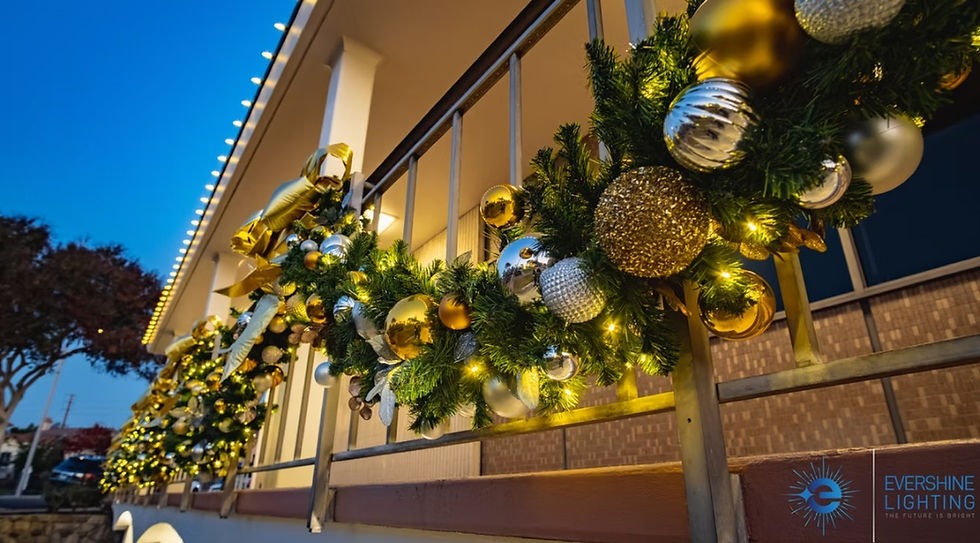
Less seasonal clutter on balconies, railings, and yards
Fewer ladder trips in bad weather since you are not hanging lights every season
Year-round curb appeal that stays within agreed color and brightness limits
Working with a professional installer can make this process smoother. A good installer can answer technical questions from the board, adjust plans if the HOA asks for changes, and provide documentation about safety, code compliance, and product warranties.
With the right plan, you do not have to choose between bland exteriors and HOA drama. Permanent outdoor lighting in Utah can look amazing, stay within the rules, and keep your home ready for quiet evenings, busy gatherings, and every season in between.
Get Started With Your Project Today
Transform your home’s exterior with Custom Fit Lighting and enjoy a custom design built for Utah’s unique climate and style. Explore our permanent outdoor lighting in Utah to see how we can highlight your architecture, improve safety, and simplify year-round decorating. We will walk you through every step, from design consultation to professional installation, so you get a solution that fits your home and budget. Reach out today to schedule a no-pressure conversation about your lighting goals.
Comments