
Utah Front Yard Night Lighting: Placement, Beam Angles, and Color Temperature
- Custom Fit Lighting

- Mar 15
- 5 min read

Transform Your Front Yard After Dark
Good night lighting can turn a flat, shadowy yard into a warm, welcoming entry that looks great from the street. Instead of one bright porch light and a black driveway, your home can have depth, layers, and soft highlights that feel safe and inviting.
A smart night lighting plan centers on three main ideas: where fixtures go, how the beams are aimed, and what color the light is. Fixture placement shapes the path your eye takes. Beam angles create drama without glare. Color temperature sets the mood and makes your home feel either cozy or cold.
Here in Utah, we also have local details to think about. Snow reflects light and can double the brightness on the ground. Winter nights last a long time. Summer evenings are dry and clear. A good plan for landscape lighting in Utah needs to work in all seasons, not just for a few weeks around the holidays.
Audit Your Current Nighttime Curb Appeal
The best way to see what your yard needs is to look at it the way guests do. Step outside after dark, stand across the street, and take your time.
As you walk and look around, notice:
Dark hazards like steps, sloped driveways, and uneven walkways
Areas where your porch light creates harsh glare or a blinding “hot spot”
Important features, like stonework or gables, that disappear into the dark
Old holiday strands that feel messy or pull attention away from your home
Then check each existing fixture up close. Ask yourself:
Is it mounted too high, throwing light in every direction instead of where you need it?
Do the fixtures create glare when you look at them head-on?
Do some lights look yellow and others look blue, giving your home a patchy look?
Are any wires, stakes, or clips left over from past holidays and distracting from the view?
We see a lot of “before” scenes in Utah neighborhoods that look like this:
Bare, dark foundations that make homes float above a black base
Long driveways lit only by garage floods, with deep shadows near cars and edges
Porch lights that wash out everything near the door and leave the yard in the dark
Patchy winter lighting when leaves drop and bare branches no longer block harsh beams
Once you see these issues, it is much easier to picture a clean “after” with a clear, simple plan.
Smart Fixture Placement for Utah Front Yards
Next comes deciding where lights should actually go. We like to start with priority zones so you cover safety and style together.
Focus first on:
Paths and steps so guests can walk safely
Front entries and address areas so visitors know where to go
Architectural focal points like columns, stone accents, and gables
Key landscape features such as a favorite tree, rock accents, or a front garden bed
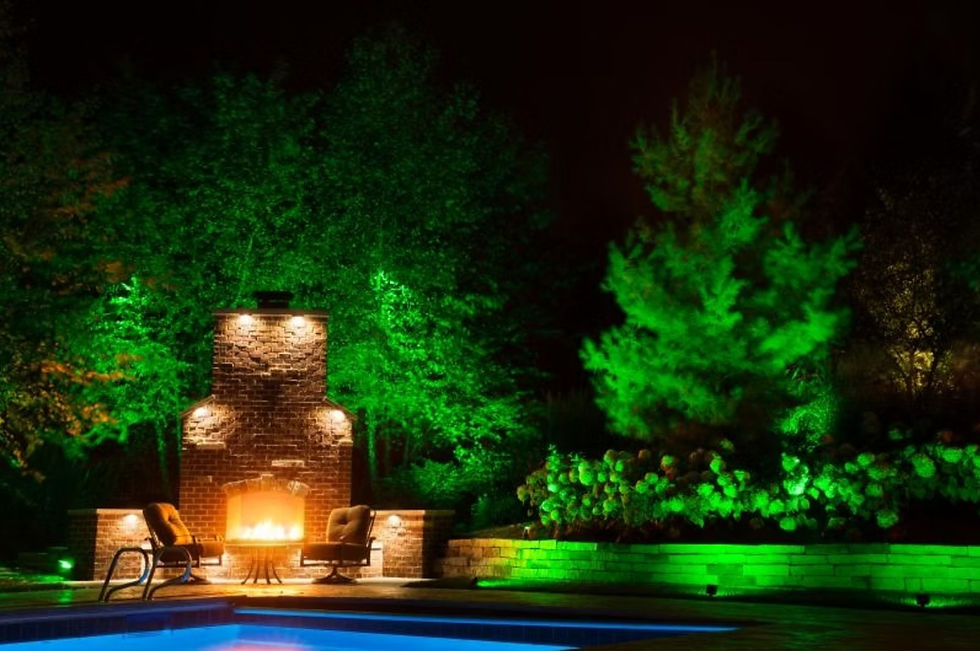
Think of your everyday landscape lighting as the base layer. This includes path lights, gentle wall washes, and a few well-placed spotlights on trees or stone. Then holiday lighting, whether permanent or traditional displays, becomes a second layer that rides on top of that base instead of fighting it.
A few helpful ideas:
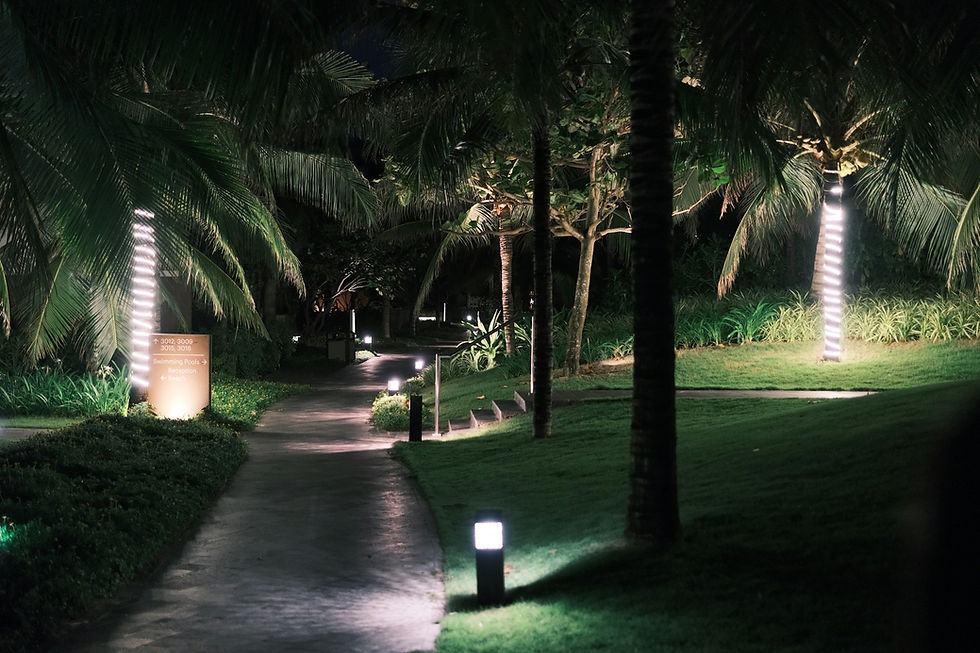
Place path lights along the inside edge of walkways, not right in the center
Use small accent fixtures near stone pillars, house numbers, and steps
Highlight one or two special trees or rock features instead of lighting everything
Utah sites bring some special details. Snow berms along driveways can block low fixtures in winter, so we often raise or offset those lights. Light-colored concrete can feel extra bright, so softer, indirect lighting is usually better. Many Utah communities also care about dark skies, so careful placement that points light down and in, instead of out and up, keeps the stars visible while your entry still feels bright enough.
Mastering Beam Angles for Drama and Comfort
Placement is only half the story. Beam angle decides how that light looks on your home and yard.
Narrow beams work best when you want to draw the eye up:
Tall peaks and gables
Stone or brick columns
Mature trees with strong trunks and canopies
Wider beams are better for soft washes:
Broad home fronts
Low shrubs and planting beds
Wide stone or stucco walls
When we set up a “before-and-after” on a Utah home, one of the biggest changes often comes from aiming, not adding more fixtures. Flat, front-facing light can crush all your texture and make walls look like cardboard. Cross-lighting from two sides, or grazing light up a wall from close to the base, reveals the details of brick, stucco, or stone without harsh, spooky shadows.
To keep things comfortable:
Angle spotlights away from windows, both yours and your neighbors
Tuck fixtures behind shrubs or rocks so you see the effect, not the bulb
Use shielded or in-ground fixtures where you want a clean, modern look
Good aiming gives you that “wow” from the street while still feeling calm and easy on the eyes near the door.
Choosing the Right Color Temperature for Every Season
Color temperature is simply how warm or cool the light looks. It makes a bigger difference than most people expect.
For most homes, we suggest:
Warm white (around 2700K to 3000K) for a cozy, welcoming feel
Slightly cooler white (around 3500K to 4000K) for modern designs or commercial entries
In Utah, seasons really change how those colors feel. Snow on the ground reflects light and can make cool white look extra sharp and icy. Too much blue in winter light can feel harsh and unfriendly. Warm white, on the other hand, keeps brick, wood, and stone looking rich and inviting, even when everything else is covered in white.
In summer, when evenings are clear and the air is dry, consistent warm tones keep your home grounded and comfortable. Cooler tones can still work for sleek, modern lines, but mixing warm and cool all over the same front yard usually looks busy and scattered.
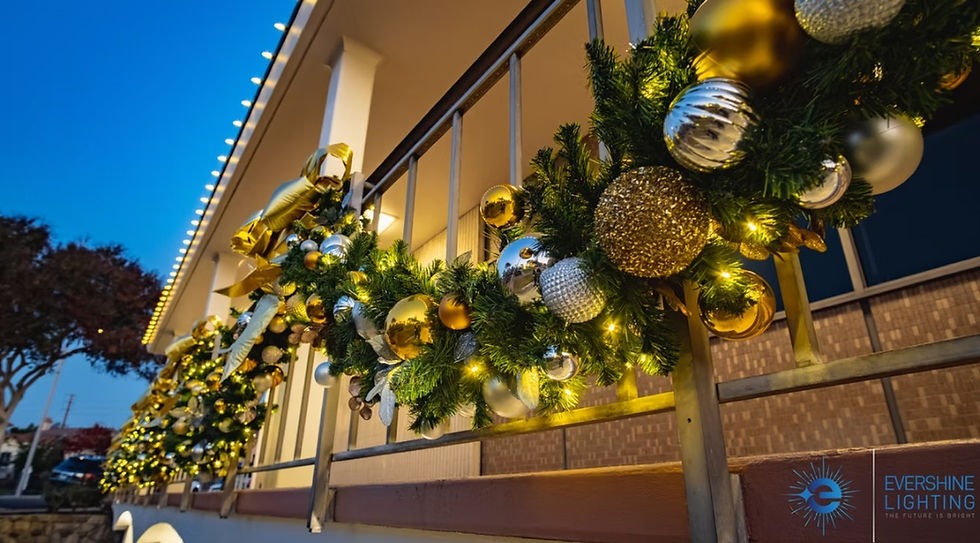
With programmable systems and permanent holiday lighting, you can have fun with color for events without losing that calm everyday look. Many homeowners set a soft, warm white as their default, then shift to colors for holidays or special nights. That way, your yard works as a classy, year-round setting, and color becomes an accent instead of a constant distraction.
Build Your Before and After Lighting Plan Today
If you want to plan your own before-and-after, start simple and keep it visual:
Take nighttime photos from across the street and near the front door
Mark dark hazards and flat, empty areas on a printout or sketch
Circle features you love and want to highlight
Draw where you might place path lights, wall washes, and spotlights
Note which fixtures might be better with a warmer or cooler color
Then compare your current “before” photos with what you hope your “after” will feel like: safe paths, a clear entry, warm light on key features, and no harsh glare.
For long-term value in Utah’s climate, it helps to think beyond short-term fixes. Quality LED fixtures use less energy, run cooler, and last longer. Well-built housings and connections stand up better to snow, ice, and summer heat. A thoughtful, professional design can save a lot of trial and error, especially when you want permanent holiday lighting, traditional holiday displays, and everyday yard lighting to work together instead of competing.
At Custom Fit Lighting, we focus on plans that fit Utah homes and businesses, from front walkways to full yard designs. With careful fixture placement, smart beam choices, and the right color temperature, your front yard can look as good at night as it does during the day, all year long.
Get Started With Your Project Today
Transform your property with thoughtfully designed landscape lighting in Utah that highlights your home’s best features and improves safety after dark. At Custom Fit Lighting, we listen to your goals and create a plan tailored to your architecture, yard, and lifestyle. We handle everything from design to installation so you can enjoy a beautiful, functional outdoor space without the hassle. Reach out to our team today to schedule a consultation and bring your vision to life.
Comments