
Evening Safety Planning for Utah Homes: Lighting and Landscaping Checklist

Evening Safety Planning for Utah Homes
Coming home after dark should feel calm, not stressful. For many Utah homeowners, though, evenings can mean icy patches near the driveway, dim front steps, and house numbers that disappear in the shadows. All of that adds up to tripping hazards, missed deliveries, and slow response times if help is ever needed.
With some thoughtful lighting and basic planning, those same spaces can feel inviting and safe. A good landscape lighting installation works with your yard, not against it, so paths are easy to follow, surfaces are easy to read, and guests and first responders can find you quickly. In this walkthrough, we will share how to look at your property the way a lighting professional does and spot the hidden hazards and simple fixes that make a big difference after dark.
Mapping Safe Paths From Curb to Front Door
Start with the routes people really use. That means more than just the front walk. Pay attention to:
Driveway to front door
Street parking to the main path
Sidewalks that kids, neighbors, or delivery drivers often take
Walk these routes at night and at normal walking speed. Notice where your eyes strain to see the ground or where your feet feel unsure. Those are the areas that need more consistent light.
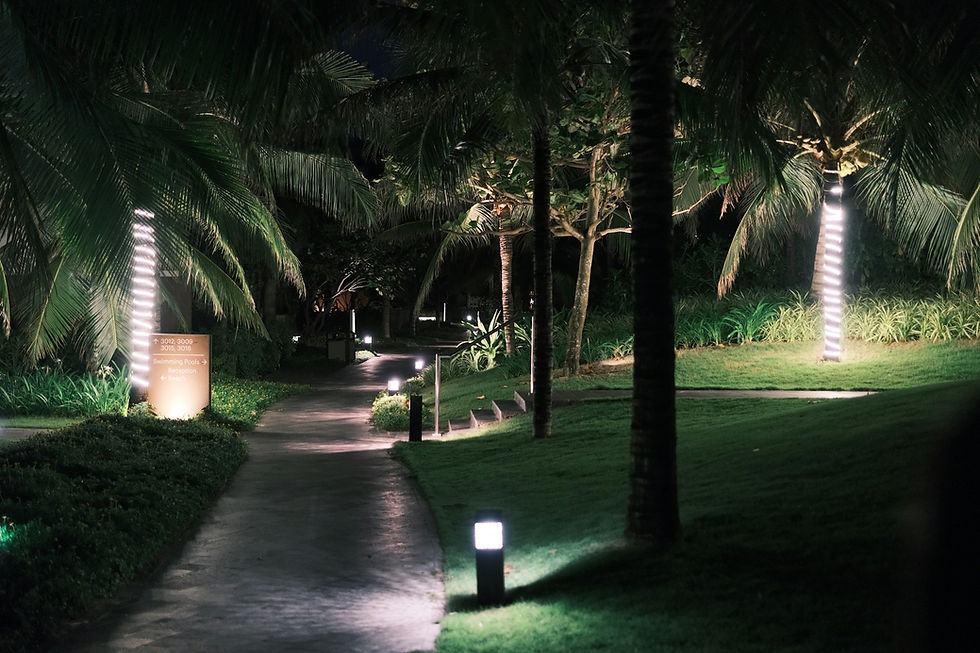
Good path and driveway lighting is not about flooding everything with brightness. It is about smooth, steady light levels so your eyes do not have to keep adjusting from bright to dark. Here are a few guidelines we like to follow:
Choose low-glare fixtures that aim light down at the ground, not into your eyes
Space lights so the beams overlap slightly, avoiding bright-dark-bright patterns that hide bumps or ice
Place fixtures where they stay above late snowbanks and spring runoff puddles
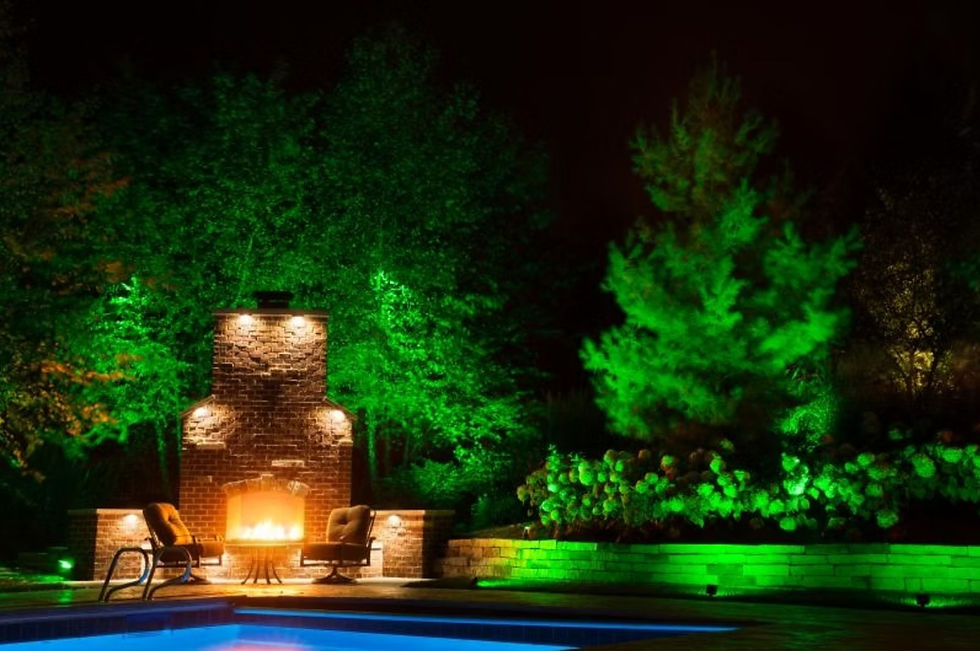
Utah yards often include rock beds, retaining walls, native plants, and shrubs. A smart landscape lighting installation can highlight those features while also making them safer. For example, gentle wash lights across a rock bed can show where the rocks stop and the walkway begins, so people are less likely to step where they should not. Lighting along the tops of retaining walls helps everyone see the drop before they reach it.
When lighting and planting work together, you end up with paths that look beautiful from the street and feel calm and safe under your feet.
Steps, Porches, and Patio Edges That Stand Out Clearly
Any change in height is a common trouble spot, especially with Utah’s freeze-thaw cycles that can leave thin, hard-to-see ice. Focus on these areas:
Front and back steps
Porch thresholds
Raised garden beds and retaining walls beside paths
Deck and patio edges
Basement walkout stairs
The goal is to make each edge obvious without shining light straight into anyone’s eyes. That is where the right type of fixture matters. Some helpful options include:
Step lights mounted on risers to softly wash each tread
Under-cap lights on stone or block walls to outline edges
Recessed lights in deck boards that glow at the perimeter
Many properties have problem zones that family members know well but guests do not, like a side door that everyone uses daily or a back patio that stays dark until late. A targeted landscape lighting installation can turn those daily routes into safe, clear pathways any time of year. Proper wiring and fixture placement also help keep lights working through snow, rain, and heat.
Address Numbers, Cameras, and Smart Security Views
Clear address numbers are more than a curb appeal detail. They help delivery drivers, rideshare cars, and especially first responders find the right home quickly on a dark or stormy night. When you do your evening walkthrough, stand where a driver would be and ask:
Can I read the address from the street or driveway?
Are numbers blocked by branches, decor, or shadows?
Would the numbers still be visible in rain or snow?
Adding a small, focused light above or below the numbers can make them stand out without lighting the whole wall. Aim it so the light grazes across the numbers, creating contrast that eyes and cameras pick up easily.
If you use security cameras, lighting matters for those too. Bright glare aimed straight at the lens can make footage almost useless. For clean, usable video at night, we recommend:
Ambient light around doors and gates so faces are evenly lit
Fixtures arranged to the sides of cameras, not directly above or facing them
Consistent background lighting so motion does not blow out the image
Simple smart upgrades can tie all of this together. Motion-activated lights in side yards or along the garage can turn on when someone approaches. App-controlled lighting scenes can set an “Away” look when you are out or an “Emergency” scene that brightens key areas so people can move safely and responders can see the property layout better. When camera sightlines are part of the planning process, your lighting supports both safety and security without feeling harsh.
Planning Emergency Egress Routes Around Your Home
Emergency egress means having clear, lit ways to get out of the house and move away from danger. That includes more than just the front door. Think about:
Side gates that lead to the street
Basement exits or walkout doors
Paths from decks or patios to a safe gathering spot
Any route kids or guests might naturally choose in a hurry
Test these routes after dark. Walk them as if the power were out or you were in a rush. Ask yourself:
Are there obstacles like garden tools, toys, or low planters in the way?
Are there uneven surfaces, roots, or steps that disappear into shadow?
Do low branches or shrubs narrow the path?
Are there spots where water, snow, or ice usually collect?
Durable, energy-efficient fixtures are especially helpful along these paths. In Utah’s changing weather, lights must handle cold, sun, and moisture. A well-planned permanent lighting layout can create clear “runways” from doors to safe areas, so even guests who do not know the yard can follow the light and move confidently.
Turning Your Evening Walkthrough Into a Safer Lighting Plan
Once you have walked your property after dark, you will probably have a list of little things that stood out. To keep it simple, use a quick checklist:
Walk every common path from street or driveway to each door
Note dark patches, harsh glare, and bright-dark-bright zones
Check that address numbers, gates, and key signs are easy to see
Stand where cameras are and look for glare or deep shadows on faces
Walk emergency exits and routes to the street or a safe meeting point
Bring these notes, photos, or a rough sketch into a conversation with a lighting professional. A team that works with Utah yards every day can read your property, suggest fixture types and locations, and design a landscape lighting installation that fits how you actually live at home. The result can blend safety, security, and curb appeal so the same lights that guide you at night also make your home look warm and finished.
Early spring is a great time to walk the yard, notice how snow, ice, and wet spots behaved, and get ready for longer evenings outdoors. At Custom Fit Lighting, we focus on lighting plans that match each property, from permanent holiday setups to everyday path and accent lighting, so evenings feel safer, calmer, and easier for everyone who comes to your door.
Get Started With Your Project Today
If you are ready to highlight your home’s best features and improve nighttime safety, our team at Custom Fit Lighting is here to help. We handle every step of your landscape lighting installation, from design to final adjustments, so your yard looks great the first night and every night. Reach out to our friendly experts to talk through your ideas and get a clear plan that fits your property and budget. Let us help you create an outdoor space you will enjoy long after the sun goes down.
Comments